

What catches our eye at SIAL today might be on our supermarket shelves tomorrow. This international food trade fair offers a glimpse into how quickly consumer tastes and expectations are evolving. And Belgian food companies? They’re not just keeping up with these changes, they’re staying one step ahead by responding to what consumers are looking for. Under the food.be banner, we visited our members and discovered just how much expertise and innovation Belgium has to offer. Small country, great food!
1. Belgium explores global flavours with matcha, pandan and ube
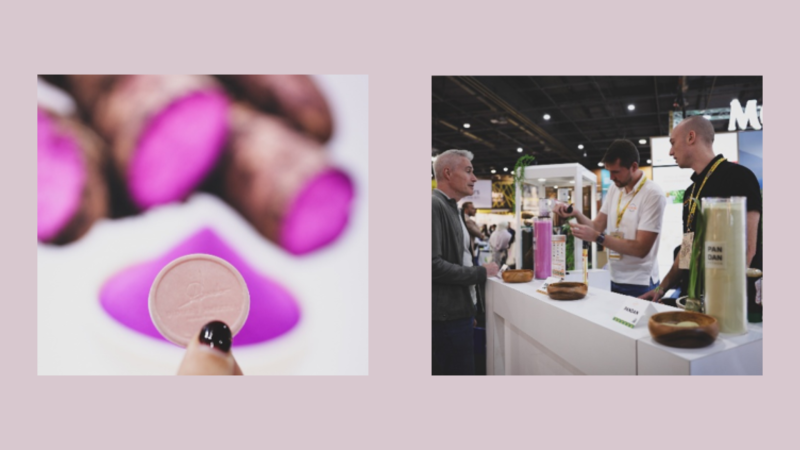
Anyone who thought matcha was just a passing fad has been proven wrong. This Japanese green tea has become a staple in the product ranges of many food companies. TeaTower confirms the trend, having witnessed spectacular growth in matcha over the past few years. It shows just how quickly international flavour trends are making their way into the European market. For Belgian food companies, this creates exciting opportunities to experiment with new ingredients and surprising combinations.

“Matcha has clearly become our number one product,” says Jérôme Carlier from TeaTower. And what might be the next big trend? Possibly ube, a purple yam from the Philippines that is increasingly appearing in colourful drinks and desserts. At SIAL, we also had the chance to taste a pandan sorbet developed by Fevia member Origine.
2. Less sugar, just as much flavour
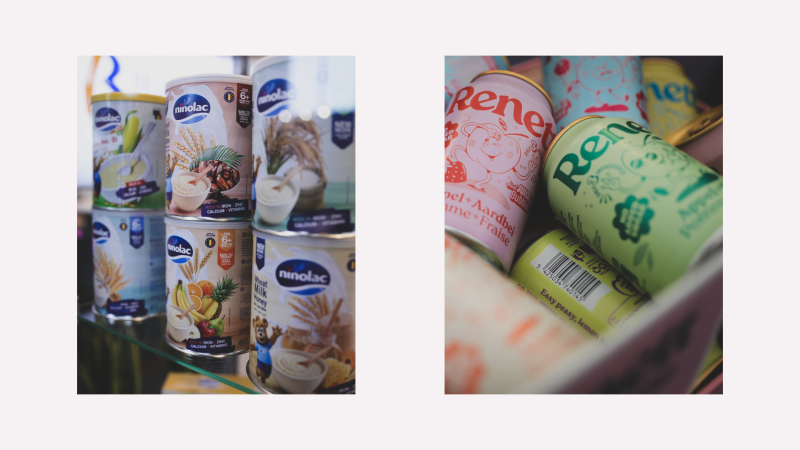
Reducing sugar is another trend we spotted at SIAL. Belgian food companies are also responding to growing consumer demand for products with less sugar or even no sugar at all. Belourthe, which produces baby food and breakfast cereals, among other products, is launching a new breakfast cereal range called “Low Sugar” in 2026. Rennett is also embracing this trend with its sugar-free drinks. The challenge for both companies? Reducing sugar content without compromising on taste or quality.
3. Fibre takes centre stage
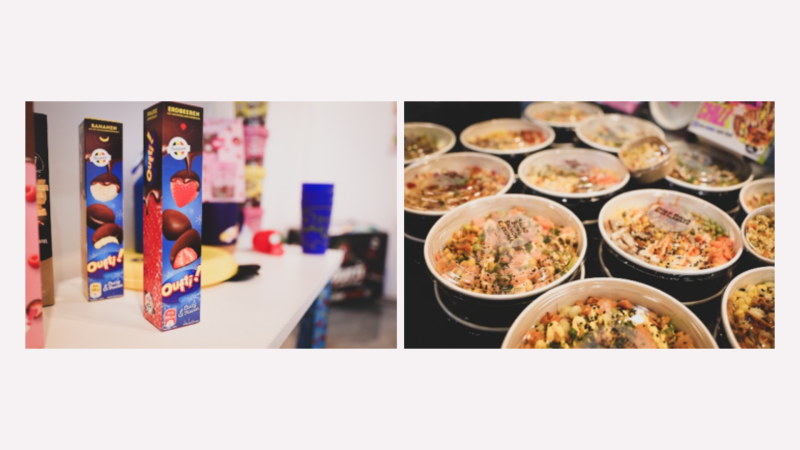
Following the protein craze, fibre is now gaining momentum. The trend even has a name: fibermaxxing, which refers to consumers consciously increasing their daily fibre intake. Interest in gut health and gut-friendly foods is also on the rise. Belgian food companies are responding with a wide variety of products, from frozen vegetables and meal salads by Crop’s and Frostique to chocolate-covered frozen strawberries and bananas by Oufti.
Sourdough bread also fits into the growing interest in gut-friendly foods. At Bio Bakkerij De Trog, they know all about it. This Belgian company produces artisanal organic bakery products using a sourdough starter that has been maintained for fifty years.
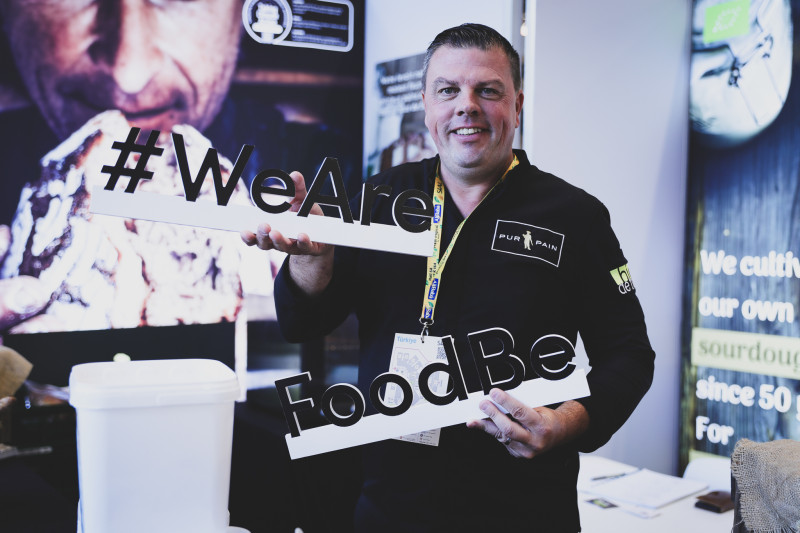
“Sourdough is experiencing tremendous growth worldwide,” says Koen Van Neer. “People are becoming increasingly aware of bread and how it is made.” Growing interest in health and digestibility is helping to revive the popularity of this centuries-old baking tradition.
4. Belgian craftsmanship wins over the world
For an export-oriented sector like the Belgian food industry, SIAL is much more than a place to spot trends. It is also an international platform to showcase new products, build connections and explore new markets.
Dely Waffles demonstrates that Belgian craftsmanship and innovation are appreciated far beyond our borders. “We aim to promote Belgian savoir-faire around the world,” says Davy Van Poucke, CEO of Dely Waffles. “Only 3% of our turnover comes from Belgium.”